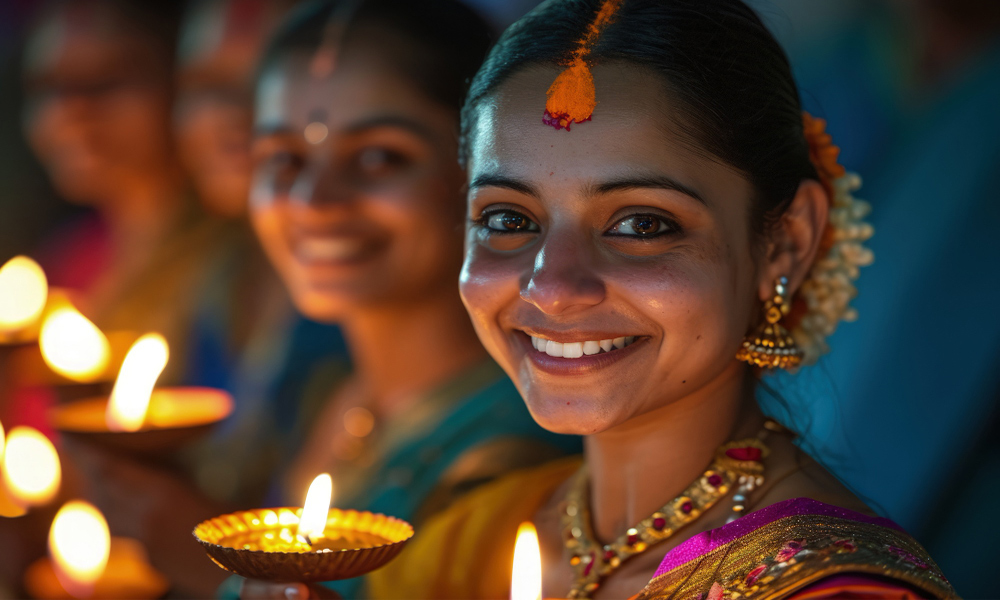
Every autumn, India turns into one enormous glowing canvas. Clay lamps line rooftops, marigold garlands hang over doorways and the smell of ghee-fried sweets drifts through the lanes. This is the festival of lights, and there is no better time to see the country's spirit up close.
Diwali 2026 falls on Sunday, 8 November, and the main festival days run roughly from Dhanteras on 6 November to Bhai Dooj around 10 November. Local panchang calculations can shift the exact timings by city, so confirm the Lakshmi Puja muhurat for your destination before you travel.
Every region celebrates in its own way. Some places are known for grand puja ceremonies, others for river aartis, royal illuminations or vibrant community celebrations. This guide covers the destinations where the festival feels most alive.
Why Travel for Diwali?
Most people spend Diwali at home with family gatherings, but travelling for the festival gives you a different view of Indian culture. You can watch how a centuries-old celebration changes from one state to the next. Rituals, food, music and even the story behind the festival differ by region.
You also get to see Diwali traditions at their fullest:
1. Ayodhya, Uttar Pradesh: Where the Story Began
According to the Ramayana, Ayodhya is where the festival started, as the kingdom lit lamps to welcome Lord Rama home after 14 years in exile. The city now hosts a massive Deepotsav on the eve of Diwali, with lakhs of diyas glowing along the Saryu ghats.
What to expect:
Traveller tip: Book stays and transport well ahead. Ayodhya fills up quickly in the week before Diwali.
2. Varanasi, Uttar Pradesh: Diwali on the Ganga
Varanasi is beautiful at any time of year, but the festive season adds a special glow. The ghats fill with lamps, boats drift past carrying devotees, and the evening Ganga Aarti feels even more moving than usual.
Around two weeks after Diwali comes Dev Deepawali on Kartik Purnima, when the ghats are lit with countless diyas. If your dates are flexible, you can pair both celebrations in one trip.
What to expect:
3. Jaipur, Rajasthan: Royal Lights and Bazaars
Jaipur celebrates with a royal flair. The Pink City's old markets, including Johari Bazaar, Bapu Bazaar and Tripolia, are decorated with lights and arches in the run-up to Diwali. Shopping here is part of the celebration, with block-printed textiles, jewellery, lamps and handicrafts on every street.
What to expect:
Traveller tip: Visit the markets on the days just before Diwali, when the lighting is at its best and the crowds are lively but manageable.
4. Amritsar, Punjab: Golden Temple and Bandi Chhor Divas
In Amritsar, Sikhs celebrate Diwali as Bandi Chhor Divas, marking the release of Guru Hargobind Ji from imprisonment. The Golden Temple, reflected in the sarovar and lit by thousands of lamps, is one of the most peaceful sights in the country.
What to expect:
5. Delhi: Markets, Feasts and Festive Energy
Delhi combines everything at once. Lanes such as Chandni Chowk and Sarojini Nagar buzz with shoppers picking up lights, gifts and new clothes, while restaurants and homes prepare feasts. Temples such as Akshardham and ISKCON hold special evening programmes.
What to expect:
6. Kolkata, West Bengal: The Night of Kali Puja
In Bengal, the Diwali new-moon night is dedicated to Goddess Kali rather than Lakshmi. Kolkata's neighbourhoods set up beautiful pandals, and the city glows with lamps, candles and festive lighting.
What to expect:
7. Goa: A Coastal Twist
Goa's Diwali is a lively surprise. The celebration begins on the eve of Choti Diwali with Narakasura effigy parades, where giant demon figures are paraded and burned in a spectacle that draws crowds. Homes are decorated with lanterns, and traditional flattened-rice snacks are shared with guests.
What to expect:
8. Udaipur, Rajasthan: The City of Lakes
Udaipur's lakeside palaces and reflections make it one of India's most romantic places for Diwali. Lamps along Lake Pichola turn the water into a sheet of gold, and the mood is calmer than in the bigger cities.
What to expect:
9. Ahmedabad and Gujarat: Diwali Meets New Year
In Gujarat, the day after Diwali is Bestu Varas, the start of the new year. Homes are decorated with detailed rangoli, families visit each other, and the city's sweet and snack shops are packed with festive treats.
What to expect:
Diwali Traditions You Will See Everywhere
Wherever you go, a few customs tie the celebrations together:
Travel Tips for Diwali 2026
Conclusion
Whether you want the spiritual glow of Ayodhya, the palaces of Rajasthan or the peace of the Golden Temple, Diwali 2026 offers a memorable way to experience India. Choose a destination that matches your mood, book early and get ready for the lights. Enjoy the sweets, the prayers and the company of people celebrating around you.
Ready to plan your festive trip? Explore North India tours and pick the itinerary that suits you.
Frequently Asked Questions
Diwali will be celebrated on Sunday, 8 November 2026.
It depends on what you want. Ayodhya and Varanasi are best for devotion, Jaipur and Udaipur for a royal atmosphere, and Amritsar for spiritual calm.
Yes. The weather is comfortable in most regions and the festive mood is unmatched. Just book everything early.
It is a five-day festival, from Dhanteras to Bhai Dooj.